
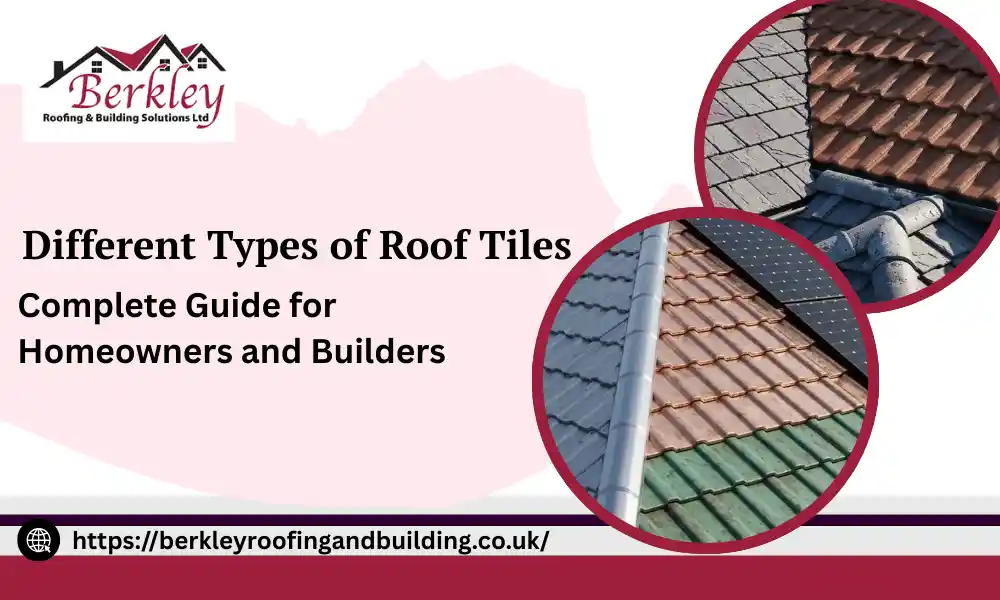
Your roof is more than just a cover for your home. It protects your house from rain, sun, and wind while giving it a strong, lasting look. With so many choices available, it can be hard to know which one fits your style, budget, and climate. Learning about different types of roof tiles helps you make the right decision for both protection and appearance.
In this guide, we will look at the main types of roof tile, from traditional slate to modern solar options. You will see the pros and cons of each type, along with practical tips for choosing the right one. Whether you are upgrading your home or working on a building project, this article helps you choose a roof that is strong, durable, and attractive.
Why Roof Tiles Matter
Your roof is one of the most important parts of your home. The right tiles protect against harsh weather, keep your house energy-efficient, and reduce long-term repair costs. Different types of roof tile offer different strengths, so knowing your options helps you pick the right fit for your home, style, and budget.
Different Types of Roof Tiles with Pros and Cons
Learn about the types of roof tiles, their benefits, and drawbacks to help you pick the right roof for your home.
1. Slate Roof Tiles
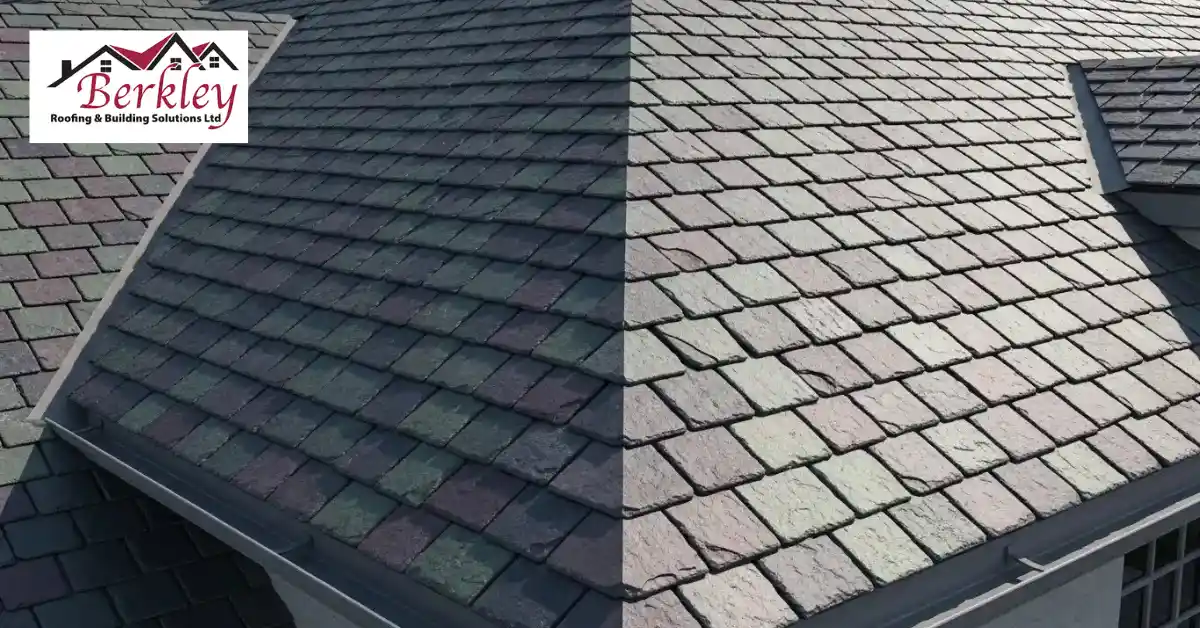
Slate roof tiles are natural stone tiles known for their elegance and long-lasting durability. Many historic homes use slate because it can last decades, even over 100 years, with proper care. Slate comes in shades of grey, black, green, and purple, adding a timeless look to any home.
Pros
- Slate can last decades with minimal maintenance.
- Protects your home from fire hazards.
- Adds a timeless, high-end look to your home.
- Made from natural stone, it is environmentally friendly.
Cons
- Needs a strong roof structure for support.
- Higher upfront cost compared to other tiles.
- It can crack if walked on or impacted.
- Requires professional installation.
Slate tiles give your home a classic, high-end appearance. They are perfect for homeowners who value both beauty and strength.
2. Clay Roof Tiles
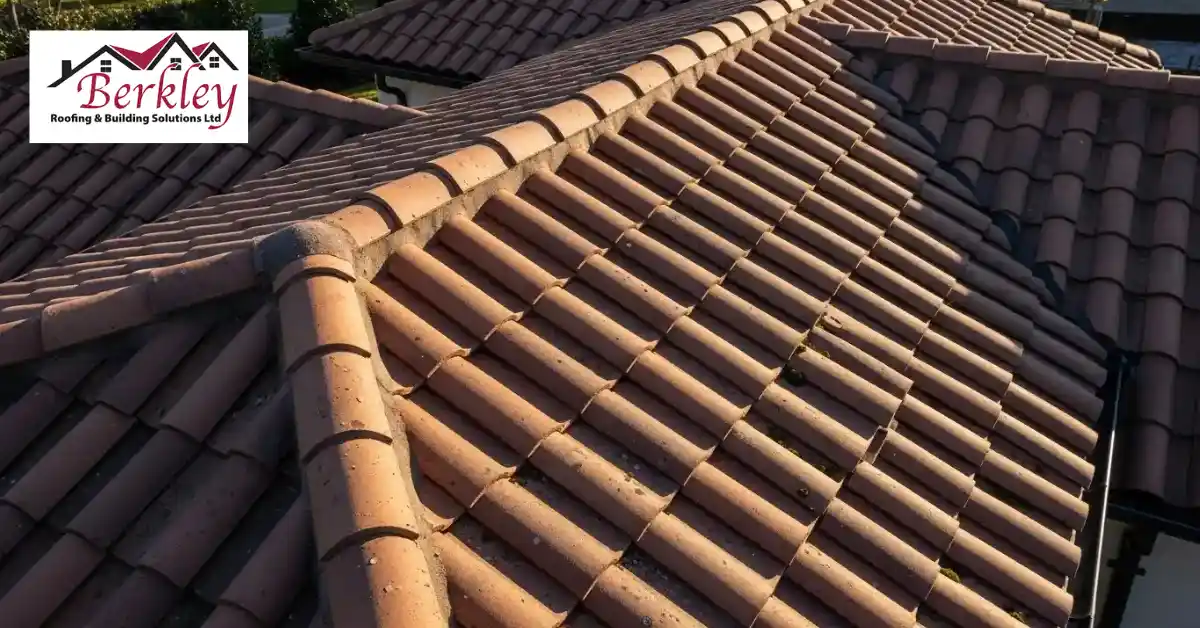
Clay roof tiles are traditional and widely used. They are made from natural clay and fired to harden, making them durable and strong. Clay tiles work well in warm climates and resist harsh sun, giving homes a long-lasting, stylish roof.
Pros
- It can last for decades with proper care.
- Helps keep your home cooler in hot climates.
- Requires minimal upkeep over time.
- Adds a Mediterranean or rustic charm to homes.
Cons
- It can crack if impacted or walked on.
- Needs a strong roof structure for support.
- More expensive than asphalt tiles.
- Hard to adjust for specific roof shapes.
Clay tiles give homes a Mediterranean or rustic look. They age beautifully and provide a durable, stylish roofing solution.
3. Concrete Roof Tiles
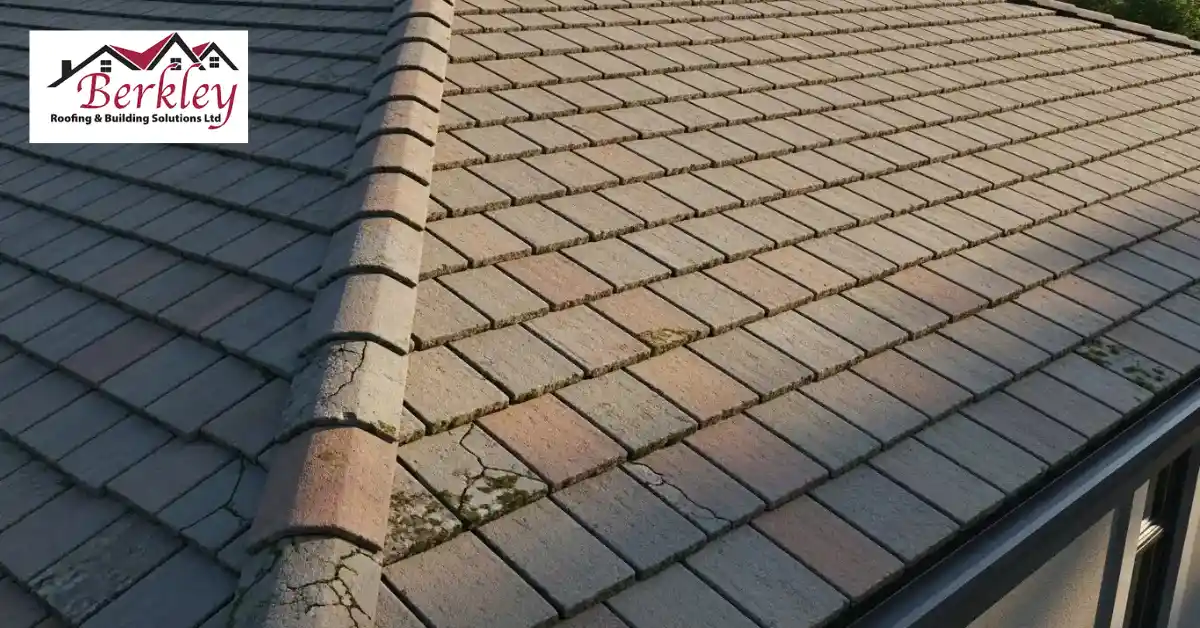
Concrete roof tiles are a modern and cost-effective alternative to clay tiles. Made from cement, sand, and water, they are strong and durable. Concrete tiles can mimic the look of slate or clay, offering design versatility at a lower cost.
Pros
- Concrete tiles cost less than natural stone or clay, making them budget-friendly.
- They are durable and can withstand heavy rain, wind, and sun.
- Easy to clean and maintain, saving time and effort.
- Perform well in various climates, including hot or rainy regions.
Cons
- Tiles are dense so the roof may need extra support.
- Bright colours can fade over time with prolonged exposure to sunlight.
- It can crack if struck by heavy objects like falling branches.
- Hard to cut or adjust for complex roof shapes.
Concrete tiles are ideal for homeowners who want durability and style without the high cost of natural stone.
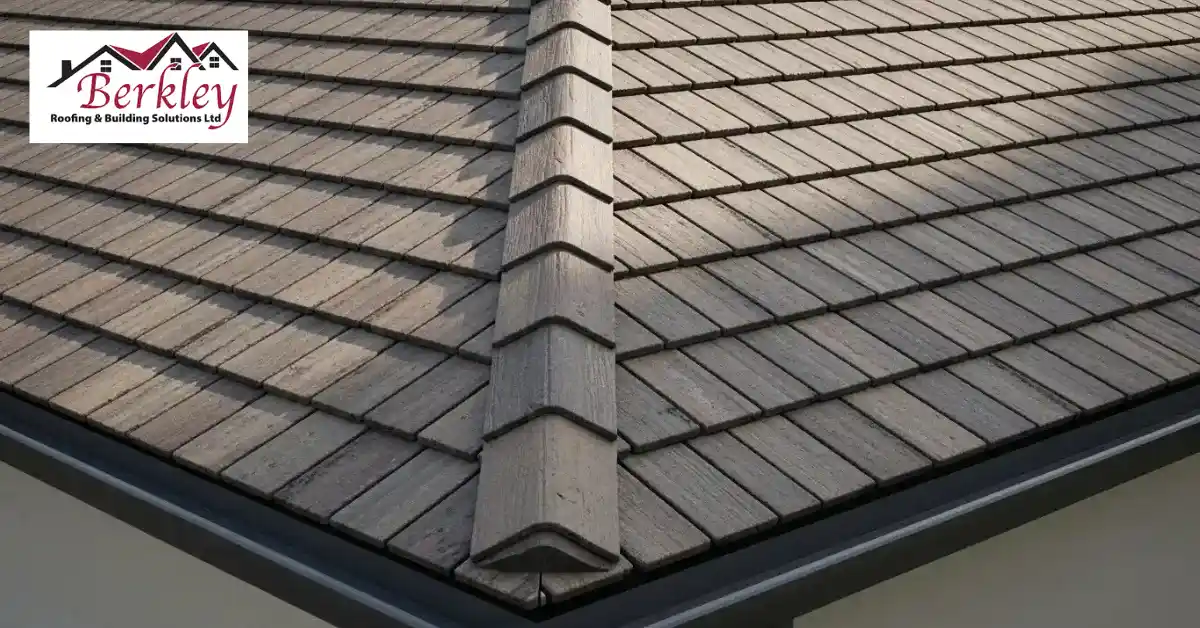
4. Composite Roof Tiles
Composite roof tiles are made from recycled materials such as plastic, rubber, or a combination. They are lightweight, durable, and versatile, making them a popular choice for modern homes. These tiles can mimic the look of wood, slate, or clay, offering style without the weight of traditional materials.
Pros
- Easy to handle and install, reducing stress on the roof structure.
- Requires minimal upkeep over time.
- Resistant to cracking or breaking compared to natural materials.
- Made from recycled materials, reducing environmental impact.
Cons
- Higher cost than some standard roofing options.
- Not as fireproof as stone or metal tiles.
- It may not last as long as natural stone or clay.
- Colours can fade with prolonged exposure to the sun.
Composite tiles work well for homeowners who want modern, eco-friendly roofing with style and flexibility.
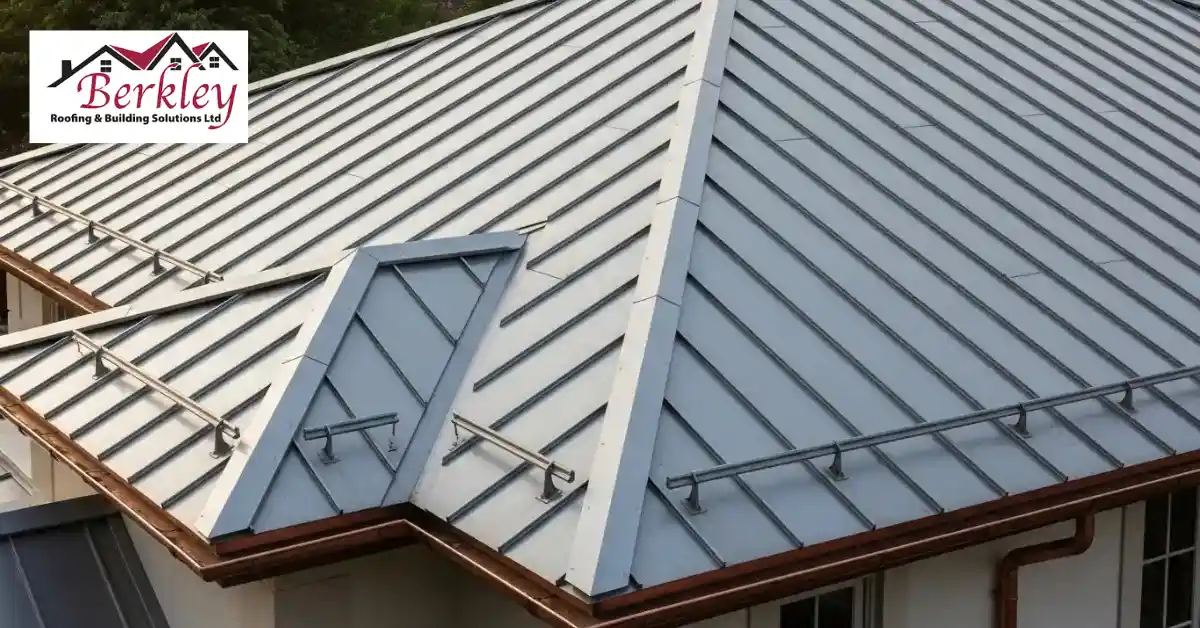
5. Metal Roof Tiles
Metal roof tiles are becoming increasingly popular for modern homes. They can be made from steel, aluminium, or copper, offering strength and durability. Metal tiles are lightweight, weather-resistant, and available in a variety of colours and finishes.
Pros
- Can last 40-70 years, depending on the material, far longer than asphalt or concrete tiles.
- Reduces stress on your roof structure and makes installation easier.
- Offers excellent protection against fire hazards.
- It can be reused or recycled, making it an eco-friendly choice.
- Performs well in heavy rain, snow, and strong winds.
Cons
- Soft metals like aluminium may dent if hit by branches or debris.
- Price depends on the metal type; copper is more expensive than steel.
- Proper fitting is essential to prevent leaks.
- May need extra insulation to manage heat in hot climates.
Metal tiles suit modern homes and areas with heavy rain or snow. They also allow homeowners to choose unique colours and finishes for a stylish, durable roof.
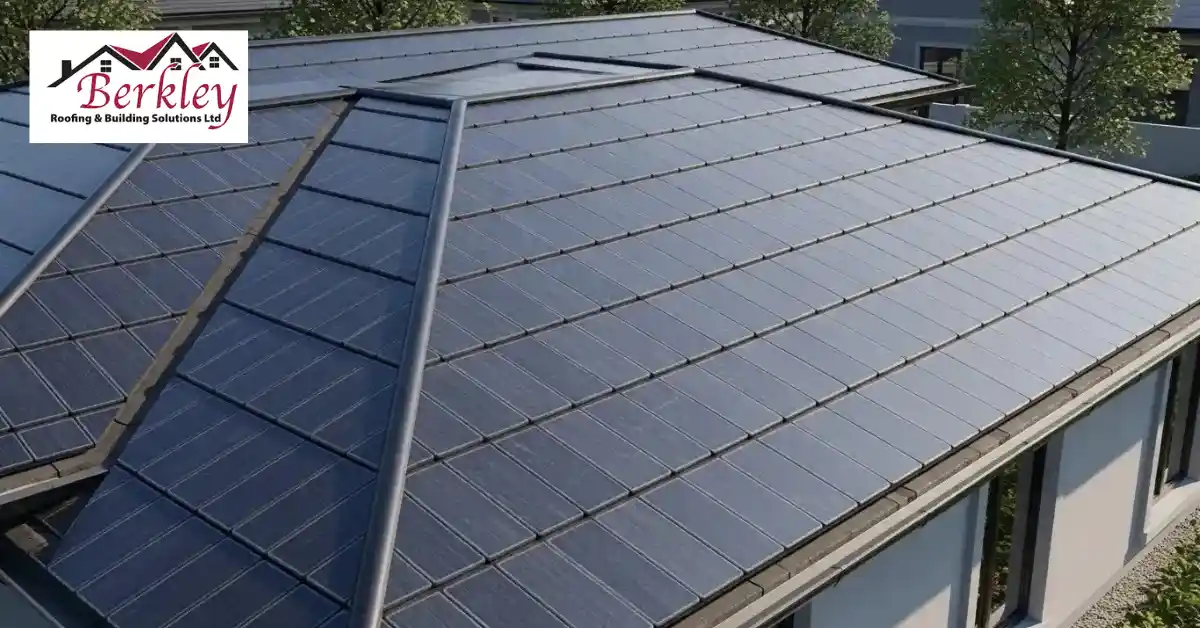
6. Solar Roof Tiles
Solar roof tiles are an innovative roofing option that works like regular tiles but also generates electricity. They blend seamlessly into your roof, maintaining a clean and modern look while helping reduce energy costs.
Pros
- Converts sunlight into energy, lowering your electricity bills.
- Blends into your roof without bulky panels.
- Reduce your carbon footprint by using renewable energy.
- Designed to withstand weather while producing power.
Cons
- Higher upfront cost compared to traditional tiles.
- Damaged tiles may need specialised replacement.
- Not all contractors offer installation.
- Efficiency drops in areas with less sun exposure.
Solar tiles are ideal for eco-conscious homeowners who want to generate energy while keeping a stylish, modern roof.
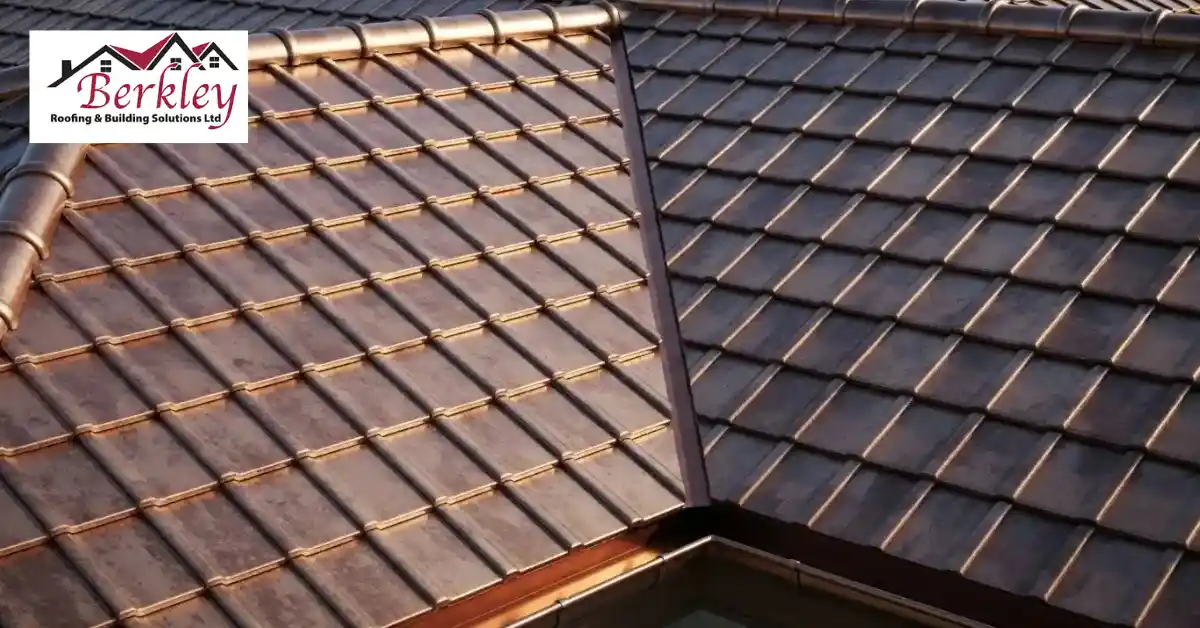
7. Copper Roof Tiles
Copper roof tiles are a rare and luxurious option for homeowners. They start with a shiny metallic finish and naturally develop a green patina over time. Copper is lightweight, durable, and adds a distinctive look to any home.
Pros
- Starts shiny and develops a beautiful green patina over time, giving your roof a one-of-a-kind look.
- Extremely durable, can last over 50-100 years with proper care.
- Resistant to corrosion and general wear, requiring minimal upkeep.
- Puts less stress on your roof structure, making installation easier.
- Can withstand harsh weather, including rain, wind, and snow.
Cons
- Higher upfront cost compared to most other roofing options.
- May corrode when in contact with incompatible metals.
- Not commonly stocked in all regions, it may take longer to source.
- Repairs often require specialist knowledge, adding to costs.
Copper tiles give homes a statement-making appearance. They are commonly used in historic or high-end houses where both style and longevity matter.
How to Choose the Right Roof Tile
Choosing the right roof tile depends on several important factors. Consider these points before making a decision:
- Climate: Clay tiles work well in hot areas, while metal and slate resist storms, heavy rain, and snow.
- Budget: Concrete and composite tiles are more affordable, whereas copper and slate are higher-end options.
- Roof structure: Heavy tiles, such as slate or concrete, require a strong roof frame to support their weight.
- Style: Pick a tile that complements your home’s design, whether modern, rustic, or classic.
- Durability needs: Think about how long you want your roof to last and choose a tile accordingly.
- Maintenance: Some tiles, like slate or meta, require minimal upkeep, while others may need regular care
Roof Tile Maintenance Tips
Keeping your roof tiles in good condition helps protect your home and extend the life of your roof. Follow these simple tips:
- Clean debris regularly to prevent water buildup and damage
- Inspect tiles after storms or strong winds to spot cracks or other issues.
- Check the roof structure for heavy tiles like slate or concrete.
- Replace broken tiles promptly to avoid leaks.
- Trim nearby trees to prevent branches from scratching or falling on the roof.
- Maintain gutters and drainage to prevent water overflow.
Proper maintenance keeps your roof durable, prevents costly repairs, and keeps your home safe and protected.
Professional Advice for Choosing and Maintaining Roof Tiles
Getting expert guidance can make a big difference when choosing or maintaining your roof. A roofing professional can:
- Recommend the best type of roof tile for your climate, budget, and roof structure
- Proper installation to prevent leaks, cracks, or long-term damage.
- Inspect your roof regularly to catch small issues before they become major problems.
- Provide maintenance tips to keep your tiles durable and extend their lifespan.
- Advise on energy-efficient options, such as solar tiles, to reduce electricity costs.
- Help choose complementary colours and styles that enhance your home’s look
Choosing a professional roofing company gives you peace of mind and helps your roof stay strong, safe, and looking great for years.
Conclusion
Choosing the right roof tiles is more than picking a style. Each type, from slate and clay to solar and copper, has its own benefits. By considering your climate, budget, roof structure, style, and maintenance needs, and seeking professional advice when needed, you can have a roof that protects your home, lasts a long time, and looks great. If you need guidance or help deciding, you can contact us for professional support.
FAQs
1. How long do roof tiles last?
Most roof tiles can last 40–100 years, depending on the material. Slate and copper are the longest-lasting, while concrete and composite tiles have moderate lifespans.
2. Which roof tiles are best for hot climates?
Clay and concrete tiles perform best in hot areas as they reflect heat and keep homes cooler. Metal and solar tiles are also effective when properly insulated.
3. How do I maintain roof tiles?
Regular cleaning, inspecting after storms, promptly replacing broken tiles, trimming nearby trees, and maintaining gutters help extend the life of roof tiles.
4. What roof tiles are eco-friendly?
Slate, copper, and composite tiles made from recycled materials are environmentally friendly options. They are durable and can often be recycled at the end of their life.
