
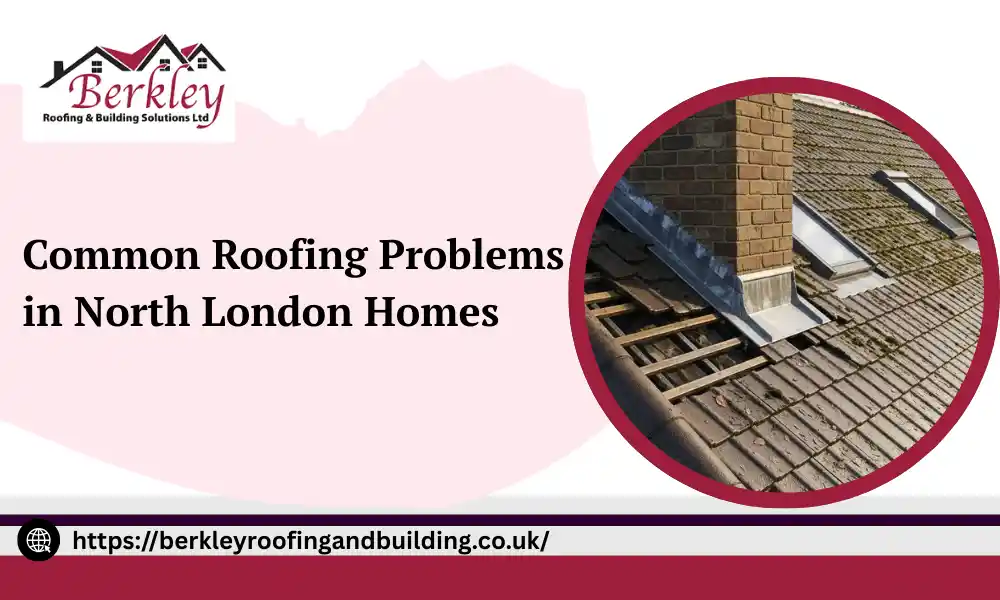
Storms and heavy rain can quietly damage roofs in North London. Small cracks, broken roof tiles, or worn roof flashing may seem minor at first. Over time, small problems can grow into bigger issues if they’re not caught early. Ignoring them can lead to leaks and costly repairs. Spotting these common roofing problems early helps you fix them fast and keeps your roof strong and safe before it’s too late.
Roofing Problems in North London Homes
When it comes to roof maintenance in North London, spotting common roofing problems early helps you avoid major damage. Rain, wind, and seasonal changes put pressure on tiles, flashing, gutters, and joints. Catching these issues early saves you from expensive repairs.
1. Roof Leaks and Water Damage
Water can seep through cracks or damaged areas in your roof. Over time, this causes damp patches, stains, and damage to ceilings and walls. Left unchecked, leaks can weaken the structure and lead to costly repairs.
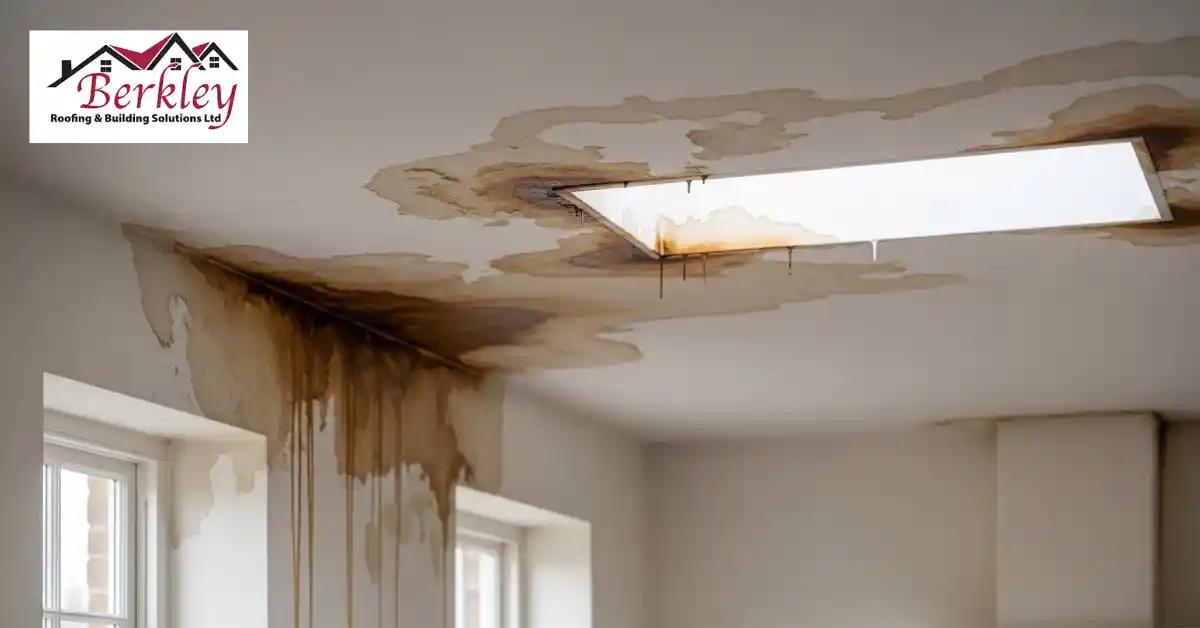
Signs of water damage:
- Damp patches on ceilings or walls
- Stains around the roof windows or chimneys
- Musty smells inside rooms
How to fix it:
- Replace broken roof tiles right away
- Repair or reseal worn roof flashing
- Check the roof after storms for leaks.
- Call a professional if leaks continue
2. Damaged or Missing Roof Tiles
Broken or missing roof tiles leave your roof exposed. Missing tiles let water in and can weaken the roof structure. Over time, small gaps can cause leaks and further damage. Regularly checking your roof helps spot issues early. Minor damage can quickly turn into bigger problems if not fixed.
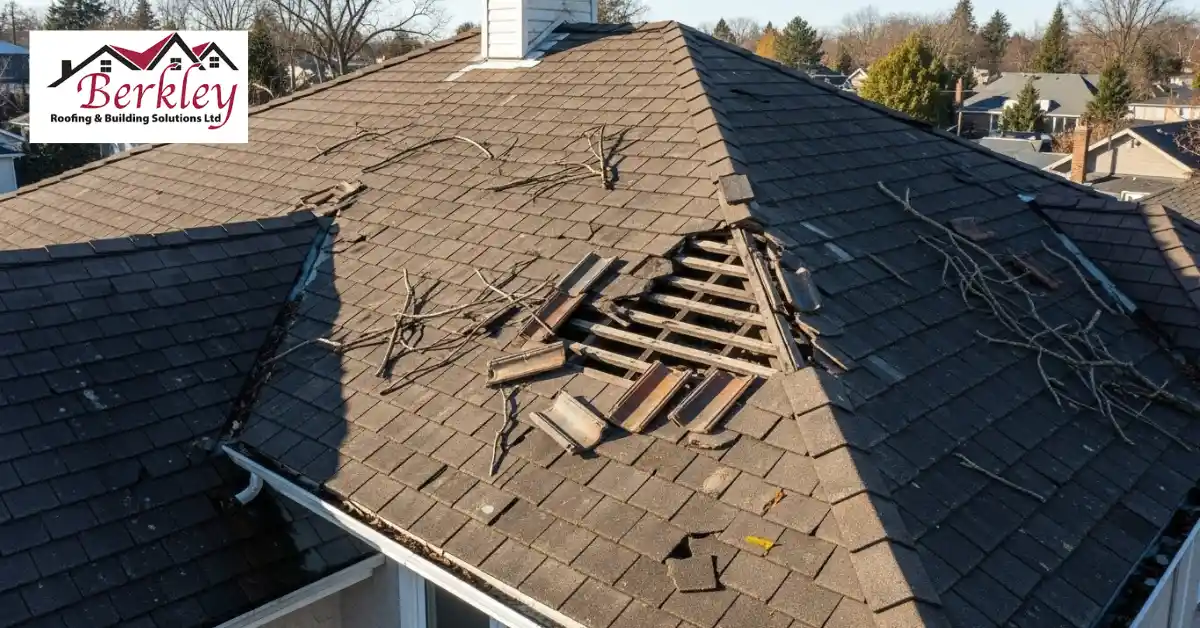
Causes:
- Strong winds that lift or crack tiles.
- Falling branches hitting the roof.
- Age and natural wear of the roof.
How to fix it:
- Replace missing or cracked tiles with professional Roof Repair.
- Check the roof after storms or heavy winds.
- Make sure the surrounding tiles are secure.
3. Worn-Out Roof Flashing
Roof flashing seals joints around chimneys, vents, and skylights. Worn or loose flashing can let water in, causing roof damage. Even small gaps can lead to leaks and damp patches over time. Regularly checking flashing helps prevent bigger problems.
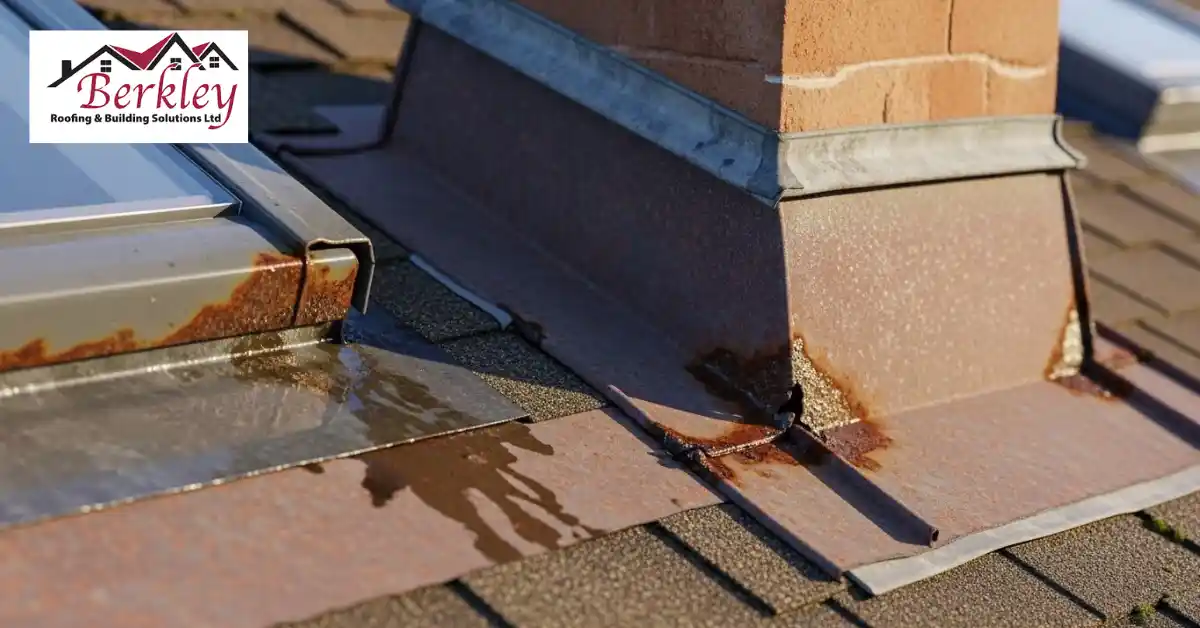
Signs to check:
- Rust or corrosion on metal flashing
- Gaps around chimneys or vents
- Water stains near joints
How to fix it:
- Repair or replace damaged flashing
- Seal gaps with roofing cement
- Inspect flashing regularly
4. Blocked Gutters and Downpipes
Blocked gutters and downpipes can cause water to back up onto the roof or walls, leading to roof problems. Leaves, twigs, and debris, especially in autumn, make blockages more likely. If not cleared, water can damage the roof structure or walls over time. Regular maintenance keeps your roof safe and prevents leaks.
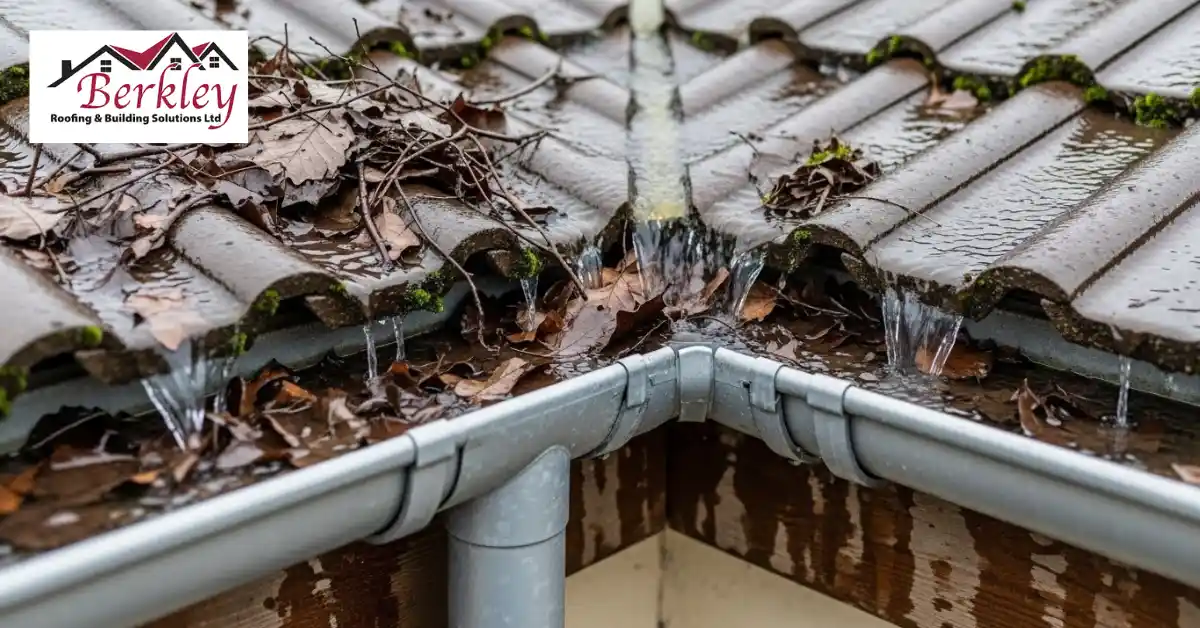
Signs of blockage:
- Overflowing gutters after rain
- Water stains on fascia boards
- Moss growing near gutters.
How to fix it:
- Clean gutters and downpipes at least twice a year
- Check for leaks or sagging sections.
- Trim overhanging branches to prevent debris
5. Moss and Algae Growth
Moss and algae can trap moisture on the roof. This damages roof tiles and leads to roof problems over time. North London’s damp climate makes this issue very common. Removing growth early helps prevent leaks and further damage.
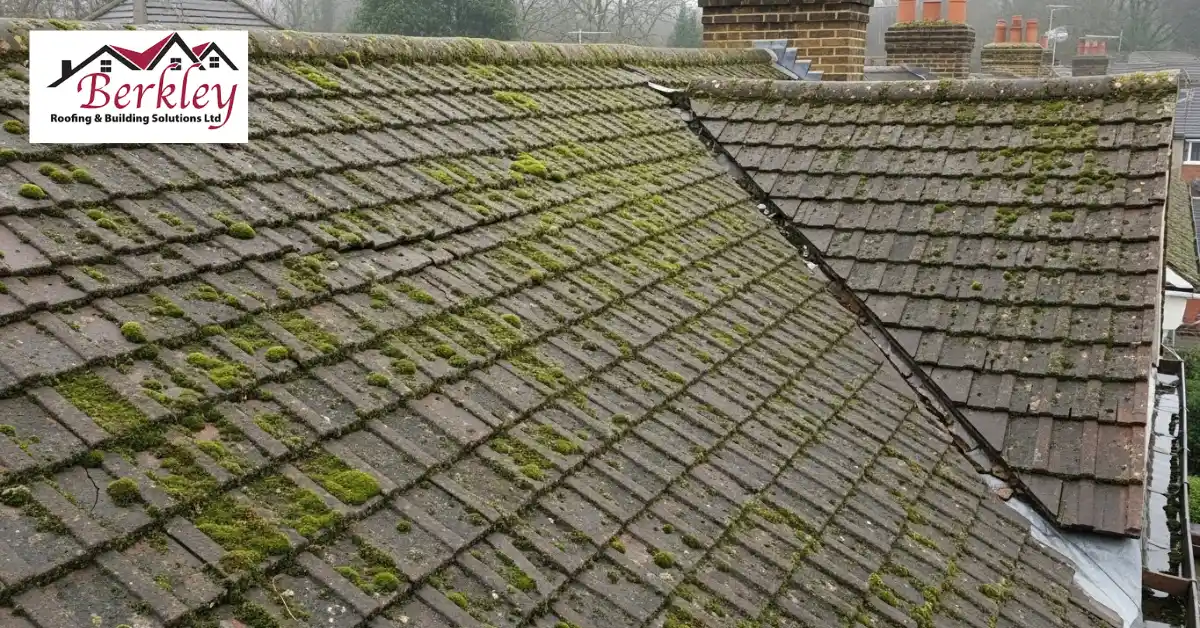
Signs to watch:
- Green or black patches on tiles
- Slippery roof surfaces
- Lifting or cracked tiles
How to fix it:
- Remove moss and algae carefully
- Treat the roof with anti-moss solutions.
- Keep gutters clean to prevent regrowth
6. Sagging Roofs
A sagging roof can signal serious structural damage. Prolonged water leaks, poor installation, or decayed timber may cause it. Even a slight sag can worsen over time, so spotting it early is crucial to prevent collapse.
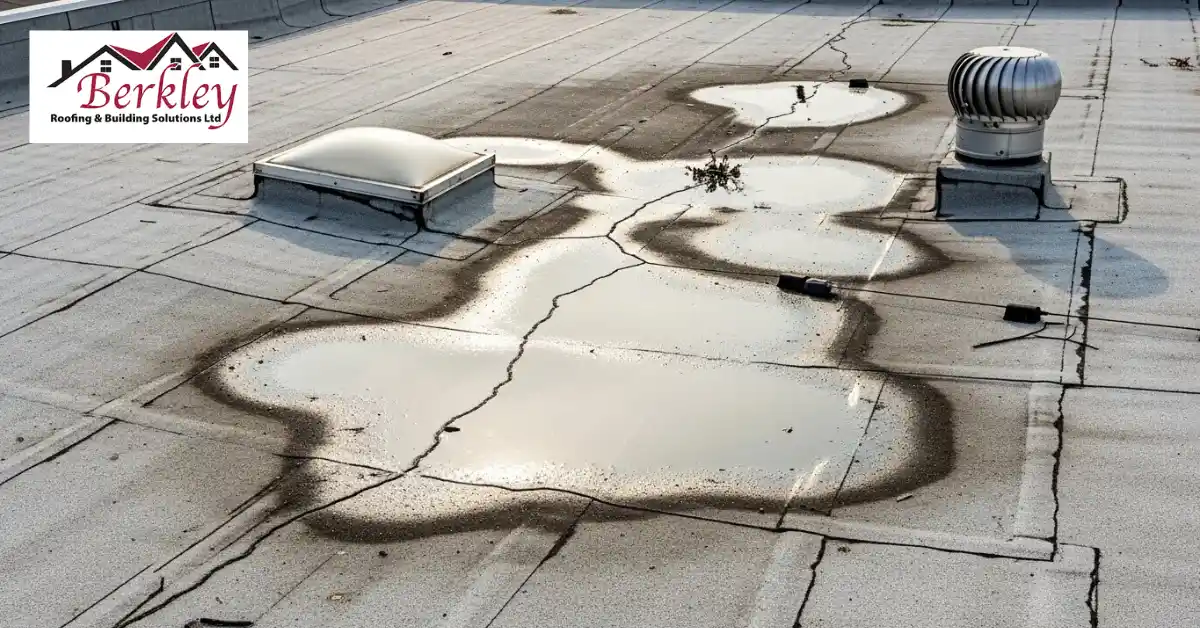
Signs to check:
- Uneven roof lines
- Cracks in ceilings or walls
- Doors or windows are sticking.
How to fix it:
- Call a roofing specialist immediately
- Inspect timber for rot or decay.
- Repair structural support as needed
7. Poor Roof Ventilation
Poor roof ventilation can trap heat and moisture. This damages insulation and timber, leading to roof problems over time. Proper airflow keeps the roof dry and extends its lifespan.
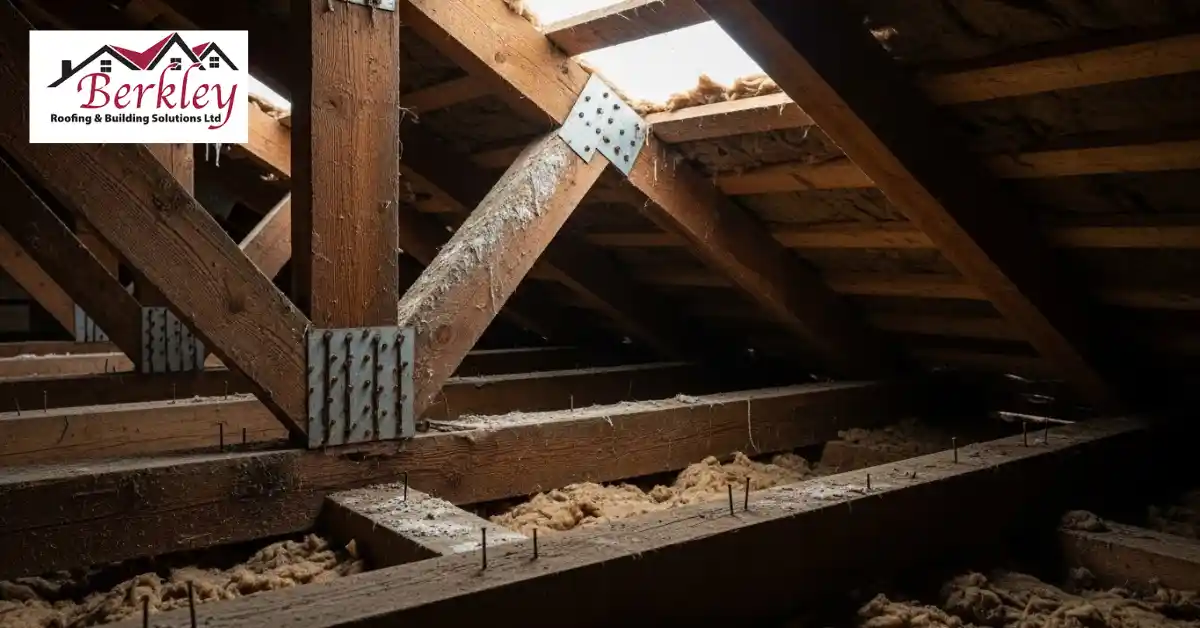
Signs to watch:
- Damp spots in the attic
- Ice forms in winter
- Rotting timber beams
How to fix it:
- Add vents or improve airflow
- Check attic insulation
- Maintain ventilation regularly
8. Roof Age and Wear
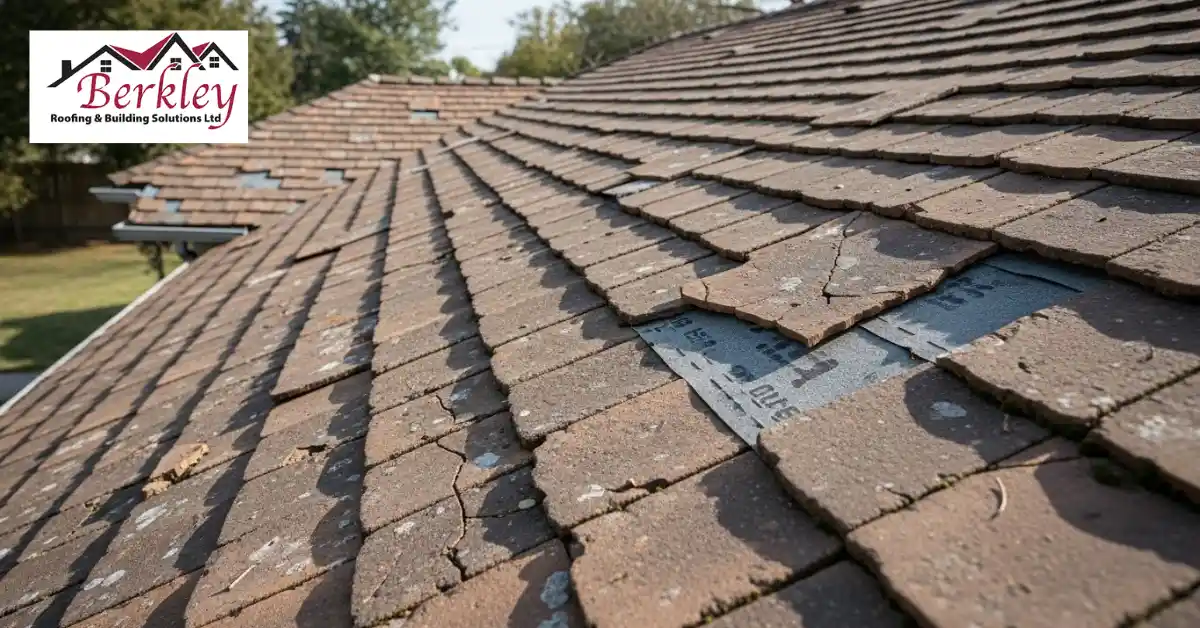
Most roofs last 20–30 years, depending on the material. Older roofs often show multiple roof problems at the same time. Cracks, worn underlayment, and repeated leaks are common signs of ageing. Regular inspections help catch minor issues before they become serious.
Signs to watch:
- Cracked or brittle tiles
- Worn underlayment
- Multiple leaks or patchy repairs
How to fix it:
- Plan roof replacement before damage spreads
- Inspect regularly for minor repairs.
- Upgrade materials when needed
9. Chimney and Roof Joint Problems
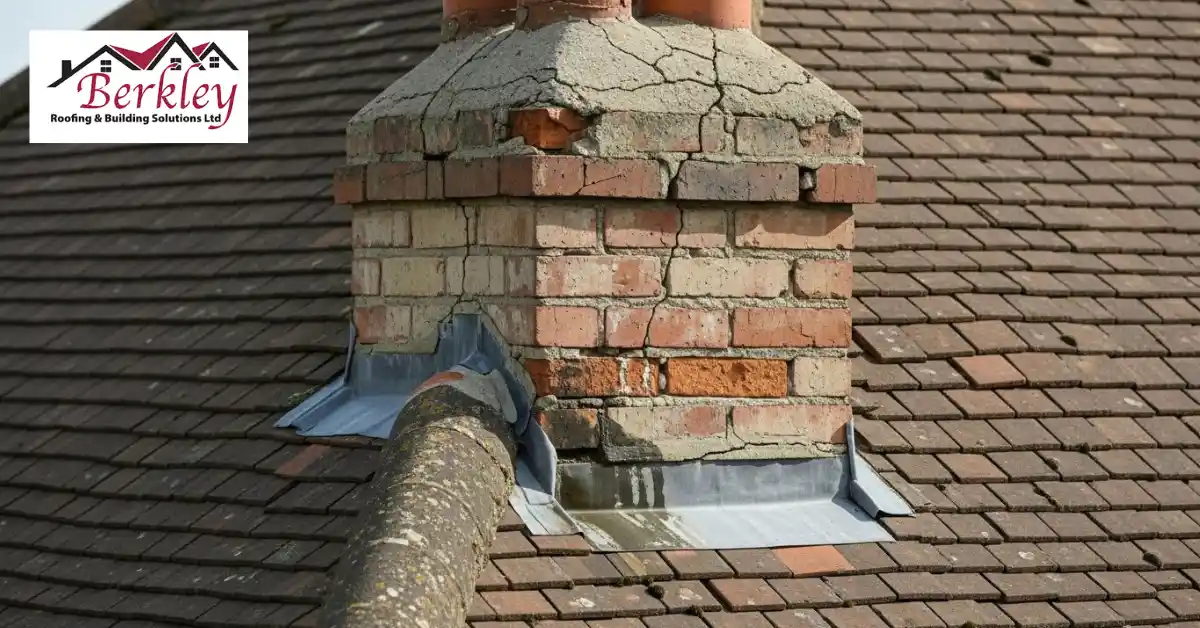
Chimneys and roof joints are common weak points on a roof. Crumbling mortar or shifted joints can let water in, causing roof problems. Even small cracks can lead to leaks and damage over time. Regular checks help catch issues early.
Signs to check:
- Loose bricks or missing mortar
- Cracks around joints
- Water damage near chimneys
How to fix it:
- Repoint or repair mortar
- Seal joints with roofing cement.
- Call a professional for serious damage
10. Storm and Weather Damage
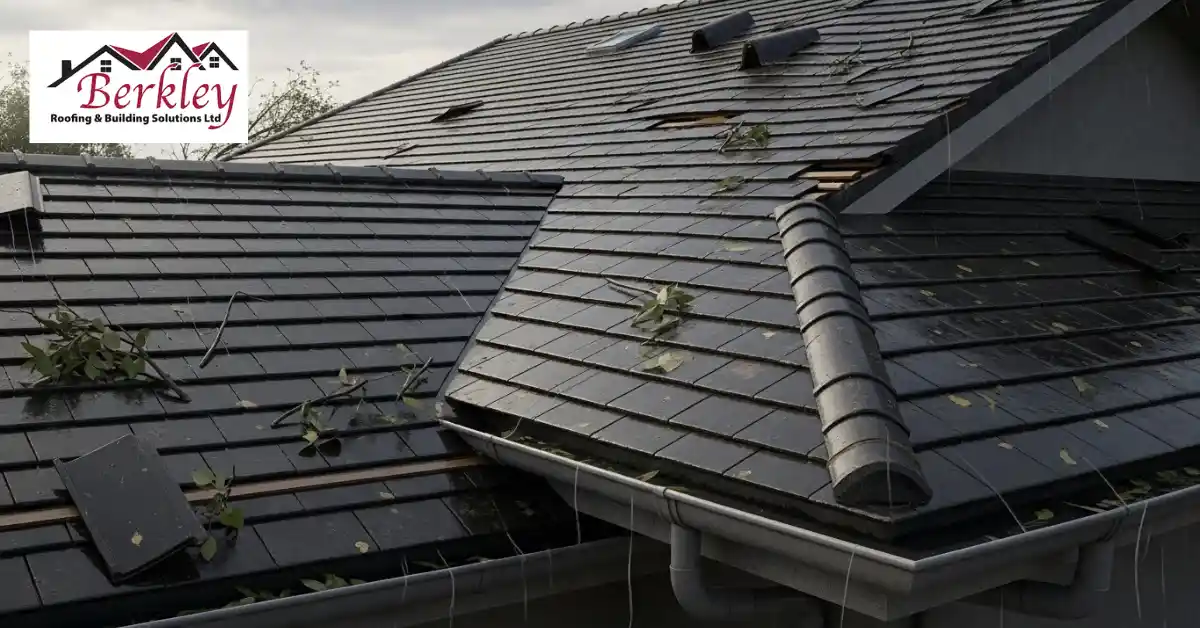
Strong winds, hail, and heavy rain can cause sudden roof problems. Even a minor storm can loosen tiles or damage roofing materials. Regular checks after bad weather help spot issues before they worsen.
Signs to watch:
- Loose or missing tiles
- Dents or cracks in roofing material
- Fallen debris on the roof
How to fix it:
- Inspect the roof after storms
- Replace damaged tiles
- Remove debris carefully
- Hire a professional for major repairs.
Practical Tips to Maintain Your Roof
Regular maintenance keeps your roof strong and prevents costly repairs. Minor issues can turn into big problems if ignored.
- Inspect your roof every six months.
- Clean gutters and downpipes regularly.
- Remove moss and debris.
- Check roof flashing and joints for damage.
- Fix broken or missing tiles promptly.
For professional inspections, repairs, and maintenance, hire a Roofing contractor in North London to keep your roof in top condition.
When to Contact a Roofing Professional
Some roof problems are too serious for DIY repairs. Calling a professional early can prevent further damage.
Call a roofer if you notice:
- Persistent roof leaks or damp patches
- Sagging roof sections
- Widespread roof tile damage
- Structural timber issues
For serious roof issues, contact trusted Roofers in North London to spot hidden problems and carry out lasting repairs.
Conclusion
Roofs in North London are constantly under pressure from rain, wind, and seasonal changes. Even minor issues like leaks, broken tiles, or moss can grow into serious problems if left unchecked. Regular maintenance, checking flashing, gutters, and roof tiles, and arranging repairs when needed, keeps your roof strong and reliable. Staying on top of these tasks protects your home and prevents costly damage over time.
FAQs
What are the early signs of roof damage in North London?
Cracked, broken, or missing tiles, rusted or loose flashing, moss or algae growth, and blocked gutters show early roof problems.
Can blocked gutters cause roof leaks?
Yes. Blocked gutters or downpipes can cause water to overflow. This can seep into roof edges or walls, causing leaks and damage.
What causes moss or algae growth on roofs?
Damp conditions, shade, and trapped moisture promote the growth of moss and algae. They can damage roof tiles and increase the risk of leaks.
Why is ventilation important for my roof?
Poor ventilation allows heat and moisture to build up in the attic. This creates mould, weakens timber, and increases energy use. Good airflow keeps the roof dry, protects the structure, and helps it stay in good condition.
